 SPACE · FF&E · STYLING
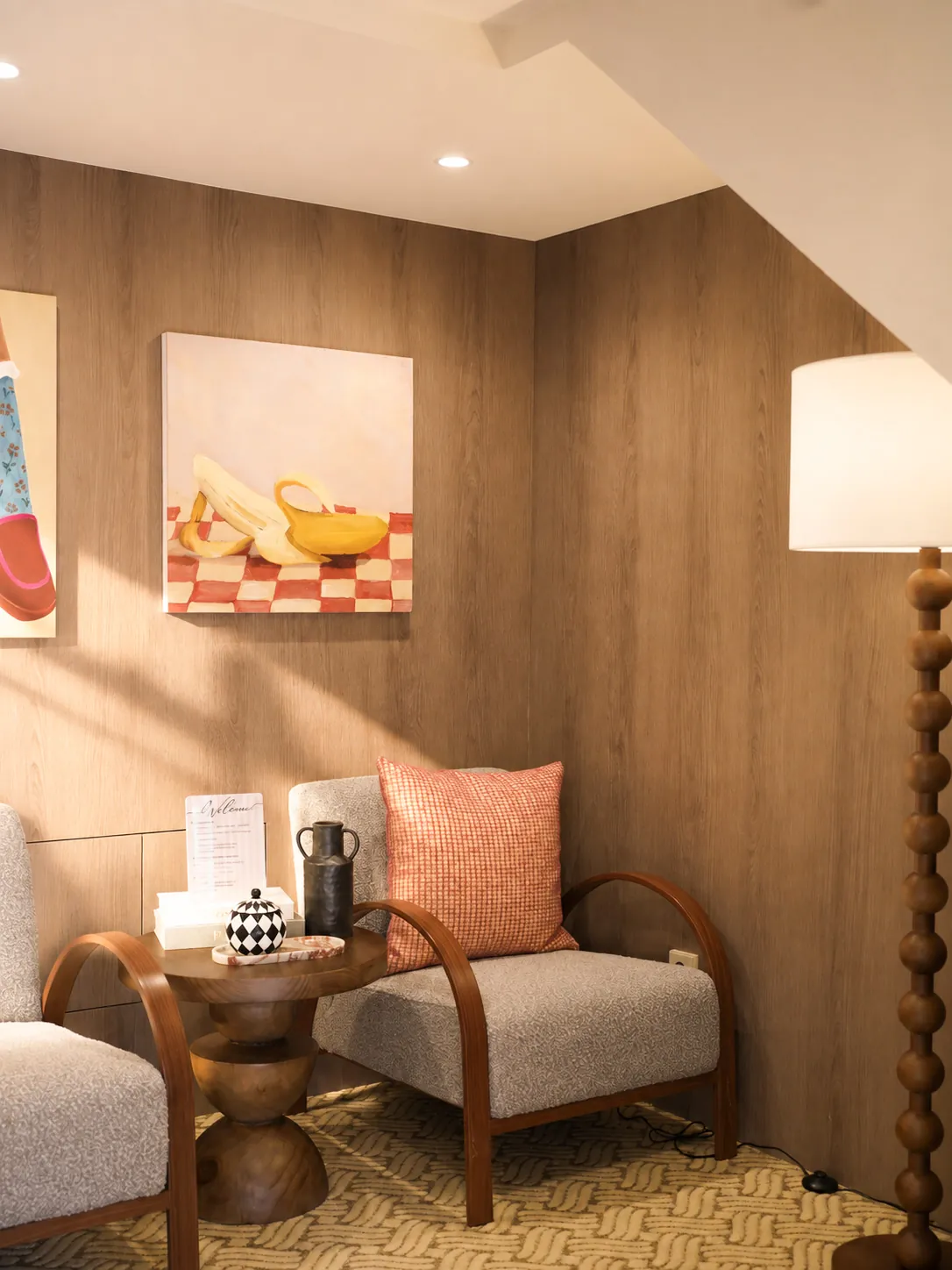
When reviewing a hotel furniture budget, it is tempting to start with a cost per room. Yet the same number of rooms can require very different items depending on beds, storage, lighting, curtains and the size of public areas. To make budgets comparable, first define what each one includes.
1. Start with Room Types, Not Room Count
Separate rooms with different layouts and item requirements, such as standard, twin and suite rooms. Create a furniture, lighting and textile schedule for one representative room of each type, then apply the confirmed quantities. Using a single average rate for every room can hide missing items.
- Core items such as bed frames, headboards and bedside tables
- Items that vary with operations, such as desks, chairs, luggage racks and minibars
- Lighting, curtains and rugs that complete the atmosphere and usability
2. Calculate Public Areas and Additional Costs Separately
Keep lobby, lounge, reception and corridor items separate from guestroom costs. Check transport, site handling, installation and tax inclusions for each scope. Comparing product prices alone will not reveal the total delivered cost.
Illustrative budget structure: item cost for each room type × number of those rooms + public-area items + transport, handling, installation and other costs + contingency. This is a framework for reviewing quotations; actual amounts and inclusions must be confirmed for each project.
3. Prioritize Frequently Used Items
When reducing a budget, consider usage frequency and replacement difficulty instead of lowering every specification by the same percentage. Review the structure and maintenance of chairs used daily, furniture moved during cleaning and storage opened repeatedly. Decorative quantities can be adjusted while preserving the brand's defining scenes.
4. Compare Quotations Using the Same Information
The same item name does not mean the same product. Put dimensions, materials, finishes, quantities, sample approval and delivery scope in one comparison table. Retaining the approved specification also provides a reference for replacements and future orders.
- Are quantities separated by room type, with spare quantities identified?
- Are responsibilities for built-in and loose furniture clearly separated?
- Are lighting, curtains, transport and installation inclusions stated?
- Will changes to specifications trigger a review of cost and lead time?
MOZAQI starts by organizing items and specifications for each space, then works with you to identify the priorities that must be protected within the budget.
← Back to Insights